















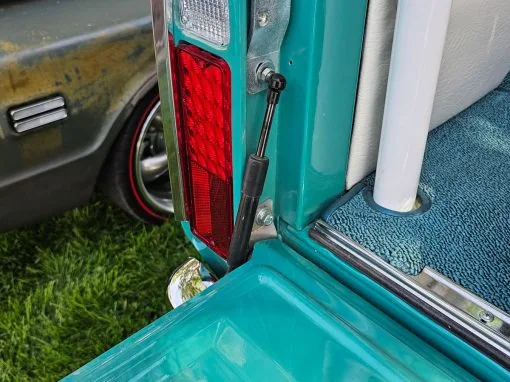
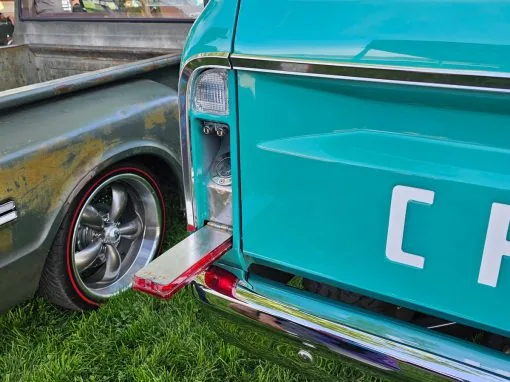


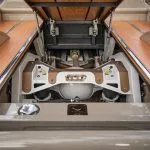
The strut kit for the 1982-1993 S10 is a gas strut that lets a first-generation S10 tailgate down slowly instead of dropping it on its cables. It bolts to the bed side and the tailgate with two ball studs, so there is no welding. First, watch the video below, because it shows where every hole goes. Then use the notes under it as a checklist while you work.

Tools you will need
- Drill with a 5/16″ bit
- Sockets and wrenches for the taillight and tailgate hinge bolts
- Blue thread locker
- A marker and a tape measure
1982-1993 tailgate saver install overview
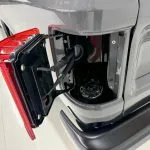
- Remove the taillight on the install side so you can reach the inside of the bed panel.
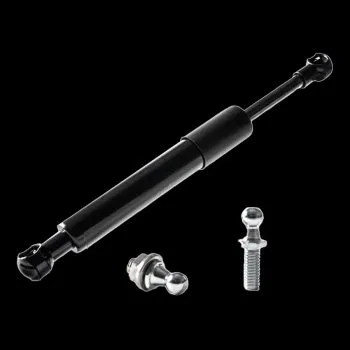
- Mark and drill the bed-side hole where the video shows it, then fit the long ball stud with its washer and jam nut. Apply blue thread locker before you tighten it.
- Fit the short ball stud at the tailgate. It replaces the factory hinge bolt, so it also gets thread locker.
- Reinstall the taillight, then snap the gate saver onto both studs with the shaft pointing down.
- Cycle the tailgate slowly. Check that the strut clears the cable, the taillight housing and the bed edge before you use it normally.
1982-1993 tailgate saver fitment notes
The gate saver controls the drop of the tailgate. However, it does not carry its weight, so keep the factory cables in place. Every tailgate gap is a little different, so if the strut touches anything, loosen the bed-side stud and adjust before you tighten it for good. If you are not sure which year your truck is, our Chevy truck VIN decoder reads the S10 serial plate as well. Watch the install video on YouTube if you want to see the strut cycle at full size.
The later 1994-2004 S10 tailgate saver guide covers the second-generation trucks. Everything else we build for these trucks is in the S10 and Sonoma truck parts collection.
For any questions or concerns with your install, don’t hesitate to email us at support@lsfab.com
0 Comments